

At Hartin Family Law, our Nassau County restraining order lawyer helps clients seek protection through orders of protection in New York. Nassau County sees many family offense petitions each year, and statewide restraining order filings continue to increase. A restraining order can protect you from domestic violence, domestic abuse, stalking, or threats, and it also creates an official record for future court action. These orders can affect child custody, parenting time, visitation rights, support orders, and even property division during a divorce. We guide clients through this process with clarity, safety planning, and steady legal support.
Our Nassau County Restraining Order Lawyer Fights for Your Rights
We work hard to protect clients who face danger or fear in their homes or relationships. Our legal team handles emergency filings, temporary orders of protection, and representation at hearings in family and criminal court. We also guide clients through family offense proceedings that involve criminal charges such as domestic assault, sexual assault, or other family offense acts. Our support remains private, respectful, and focused on your safety and legal rights. With our legal representation, you gain strong advocacy at every stage of the court order process.
Understanding Restraining Orders in Nassau County
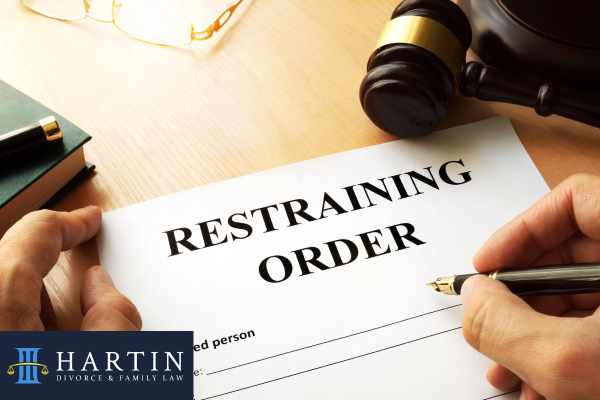
Restraining orders help protect people from harm or threats. New York offers different types of orders based on the facts of the case and the court’s findings. We help clients understand which type applies and what protections it offers.
Types of Restraining Orders
New York courts issue several forms of orders of protection. These include a temporary restraining order, a final order, a stay-away directive, a limited order, or a no-contact protection order. A temporary order of protection often begins the process and may remain in effect until the hearing. Final orders can last longer and include strict requirements for the accused person. We help clients choose the right option and understand how long each one may remain in place.
Common orders include:
- Temporary orders of protection
- Final orders
- Stay-away or no-contact orders
Grounds for Obtaining a Restraining Order
Courts may issue a restraining order when there is proof of harassment, stalking, domestic assault, sexual assault, physical abuse, or threats that endanger the welfare of a child. A family offense petition explains these acts to the judge. The court reviews evidence such as messages, injuries, police involvement, or witness accounts. Judges consider safety risks, past events, and the need for protection under the Family Court Act and criminal law. We help clients prepare strong cases that reflect their true risks and needs.
Common grounds include:
- Harassment or threats
- Assault or stalking
- Endangerment of a child
The Filing and Hearing Process
The process begins with filing a petition for an order of protection in family court. The judge may issue a temporary order the same day to provide fast safety. A hearing follows, during which both sides present evidence such as forensic evidence, victim testimony, or law enforcement records. The court then decides whether to issue a final protection order based on the facts. We guide clients through each step so they know what to expect and how to prepare.
Key steps include:
- Filing the petition
- Receiving a temporary order
- Presenting evidence at the hearing
- Final court decision
Evidence Needed for a Strong Restraining Order Case
A strong case for a restraining order depends on clear, timely evidence that shows what happened and why protection is needed. Courts rely on detailed proof such as medical records, photos, texts, emails, police reports, and witness statements. This documentation also helps support long-term safety in future hearings involving child support, spousal support, or family disputes. Timely records help us explain the events and protect your rights in New York's legal landscape. With our guidance, you can gather what the court needs for a strong and safe outcome.
Helpful evidence includes:
- Medical records
- Photos of injuries or damage
- Texts, emails, and call logs
- Police reports
- Witness statements
Violations and Enforcement of Restraining Orders
Violations occur when the restrained person ignores any part of the court order, such as contacting you, appearing at your home, or threatening you again. These actions can lead to criminal contempt charges, criminal penalties, and even criminal prosecution. Some violations may be charged as a class A misdemeanor, while more serious acts may rise to a class E felony under New York or federal laws. If a violation occurs, you must act quickly to stay safe and protect your rights. We help you take the right steps while building a defense strategy if needed.
What counts as a violation:
- Contact in any form (calls, texts, visits)
- Threats or harassment
- Showing up at protected locations
Steps victims should take:
- Call law enforcement
- Save all messages or evidence
- Report the violation to the court
How Hartin Family Law Supports Nassau County Clients

We help clients through each step of restraining order cases with steady guidance and clear legal strategies. Our family law attorneys and family lawyers understand how these cases connect to family conflicts, custody case issues, and long-term safety needs. We also support clients with related matters, such as postnuptial agreements, termination of parental rights, juvenile delinquency, and divorce mediation. With our team, you receive legal advice and focused support.
Immediate Protection and Case Strategy
We help clients seek fast protection through emergency filings and temporary orders. Our domestic violence lawyer works with you to create a safety plan, gather documents, and understand the next steps. We also study the facts to build a strong case, using evidence review, clear timelines, and proof of harm. Our team considers how issues such as family business interests, family disputes, and federal laws may shape your case. With this work, you gain protection that fits your needs and supports your long-term safety.
Our protection steps include:
- Emergency filings
- Safety planning
- Detailed evidence review
Court Representation and Long-Term Support
We prepare clients for hearings with clear guidance and strong trial preparation. Our legal strategies focus on protection while also addressing related issues in child custody, spousal support, and future custody cases. We assist clients facing criminal investigation, criminal prosecution, or allegations tied to a sex crime, all of which may affect a criminal record or sex offender status. We also help with family law matters like property division, visitation rights, and divorce mediation. Our goal is to secure favorable outcomes and long-term safety for you and your family.
Our long-term support includes:
- Hearing preparation
- Support in custody or divorce cases
- Guidance during related criminal law matters
Frequently Asked Questions
How quickly can I get a restraining order in Nassau County?
You may receive a temporary order the same day you file, especially in emergencies involving domestic violence.
What if the restrained person violates the order?
Call law enforcement. The court may file criminal contempt charges and impose criminal penalties.
Can a restraining order affect child custody?
Yes. Judges may change custody or visitation if the order relates to safety or the child’s well-being.
Do I need police involvement to file?
No. Police reports help, but you may file based on a sworn petition and supporting evidence.
How long does a restraining order last?
A temporary order lasts until the hearing; a final order may last months or years, depending on the case.
Can a restraining order be removed or modified?
Yes. Changes require a court request and proof that circumstances have changed.
Contact Our Nassau County Restraining Order Lawyer for a Confidential Consultation

We help clients seek fast protection and clear legal guidance during difficult and unsafe moments. Our family attorneys explain your rights, prepare filings, and support you in both family court and criminal court. We protect your privacy while giving you a safe, structured plan to move forward. We also help parents who need to protect their children, adjust custody, or secure support during a crisis. Contact Hartin Family Law today to call or schedule a confidential consultation with a lawyer who is ready to help you now.
Hear what our past clients say
Duis aute irure dolor in reprehendt in voluptate velit esse cillum dolore eu fugiat nulla pariatur ugiat nulla par.
“John guided us through the process”
Ut enim ad minim veniam, quis nostrud exercitation ullamco laboris nisi ut aliquip ex ea commodo consequat. Duis aute irure dolor in reprehenderit in voluptate velit esse anim id est laborumt.

Get in touch
I encourage you to contact us today to discuss how we can work together to achieve the best possible outcomes for your family law needs. Together, we can navigate these challenges with compassion and integrity.

